Understanding nasal polyps treatment costs and options in Bangladesh helps you make informed decisions about your healthcare journey.
Treatment follows a step-by-step approach: Start with nasal steroid sprays (62% success rate), progress to oral steroids if needed, then consider surgery when medical therapy fails after 12 weeks.
Surgery costs range from 18,000 to 150,000 BDT: Basic polypectomy starts at 18,000 BDT while comprehensive endoscopic procedures reach 150,000 BDT, with most procedures falling between 50,000-100,000 BDT total.
Endoscopic surgery shows excellent success rates: 90-95% of patients experience successful outcomes lasting up to 5 years, with the procedure taking 30 minutes to a few hours as outpatient surgery.
Recovery is manageable with proper planning: Expect 4-6 weeks for complete healing, return to work within 7 days, and follow-up visits at specific intervals for optimal results.
Prevention is crucial for long-term success: Use daily nasal rinses, prescribed corticosteroids, manage allergies consistently, and avoid irritants to prevent the 20-30% recurrence rate within 5 years.
The key to successful nasal polyps treatment lies in choosing the right approach based on your symptoms severity and following through with consistent post-operative care to prevent recurrence.
Nasal polyps treatment in Bangladesh requires understanding both your medical options and financial commitment before making decisions. These painless, teardrop-shaped growths form in your nose or sinuses. Despite being benign, they can lead to uncomfortable symptoms that may interfere with your daily life. Then many people seek effective treatment solutions.
In this piece, I’ll walk you through available treatment options in Bangladesh. These include non-surgical approaches and endoscopic procedures. Understanding sinus surgery cost in Bangladesh is significant for planning your treatment trip. I’ll break down actual costs at major hospitals and explain what happens during surgery. You’ll also get a detailed recovery timeline. You’ll learn how to prevent polyps from returning after treatment.
Available Treatment Options for Nasal Polyps in Bangladesh
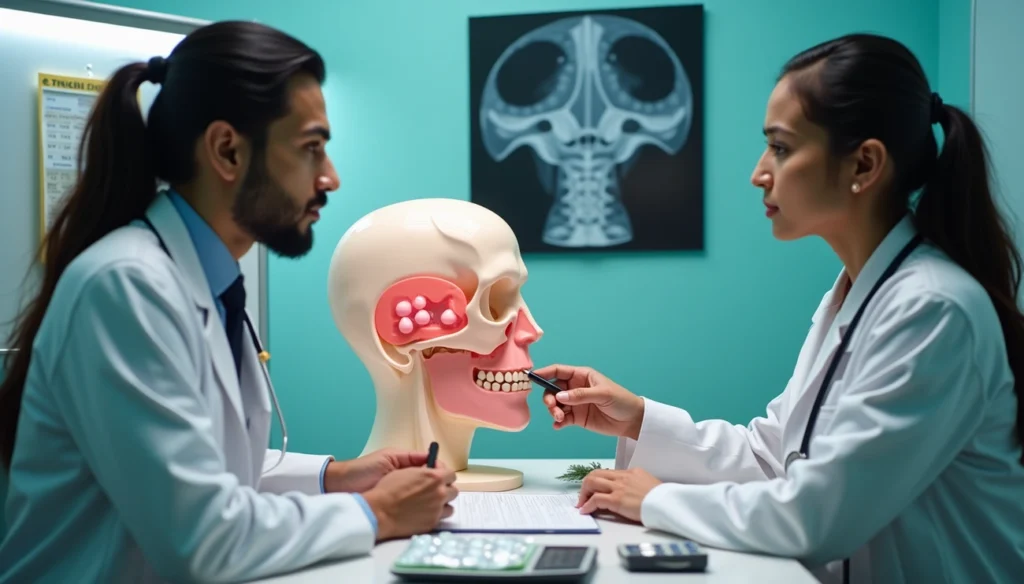
Treatment for nasal polyps in Bangladesh follows a stepwise medical approach before thinking about surgical intervention. Doctors start with the least invasive options and progress based on your response.
Non-surgical treatments
Nasal corticosteroid sprays serve as the first-line treatment option. Fluticasone, budesonide, and mometasone work for small to medium-sized polyps by reducing inflammation and shrinking polyp size. Studies show 62% of patients respond to oral steroid therapy like prednisolone, with polyp size decreasing by more than 25%. Patients with allergic rhinitis history respond especially, with odds ratio of 4.26 for favorable outcomes.
Biologic therapies provide advanced treatment options for severe cases. Dupilumab, omalizumab, and mepolizumab target specific inflammatory pathways. Clinical trials demonstrate dupilumab produces greater reductions in nasal polyp size compared to other biologics. These medications also reduce the need for systemic corticosteroids and surgery. Most patients in Bangladesh start with topical steroids and progress to oral corticosteroids if needed before thinking about biologics.
Endoscopic surgery
Functional endoscopic sinus surgery becomes an option when medical therapy fails after 12 weeks. FESS shows symptomatic improvement ranging from 78 to 88%. The procedure removes polyps blocking the sinuses while enlarging natural openings to improve drainage. Surgery takes around 90 minutes. Success rates in Bangladesh reach 90-95%, though recurrence affects 10-20% of patients within five years.
Nine out of ten cases show successful outcomes for up to five years after endoscopic sinus surgery. Polyp recurrence is 8% for ESS compared with 14% for conventional surgery. Research indicates 20% of patients undergo revision surgery within a 5-year period.
Polypectomy procedures
Polypectomy removes polyps through your nostrils using specialized instruments. Two main techniques exist: intranasal polypectomy for visible polyps and endoscopic polypectomy for smaller polyps located in the roof or sinuses. Office-based polypectomy under local anesthesia provides an alternative, with 92.5% of patients willing to repeat the procedure if needed.
Choosing the right treatment approach
Selecting between medical and surgical nasal polyps treatment in Bangladesh depends on polyp size, symptom severity, and response to original therapy. Topical corticosteroids work best for small polyps. Surgery becomes the option when medications fail to provide relief. Long-term management proves more effective than one-time treatment, as polyps regrow without consistent post-operative care.
Real Cost Breakdown: Sinus Surgery Cost in Bangladesh
Planning your budget for nasal polyps treatment in Bangladesh means analyzing costs before you schedule surgery. Prices vary by a lot based on where you go and what procedure you need.
Surgery costs at major hospitals
Endoscopic sinus surgery in Bangladesh costs between 18,000 to 64,000 BDT. Hospital type and procedure complexity determine the final price. Limited FESS procedures cost around 22,000 BDT. Full FESS procedures cost about 35,000 BDT. Specialized centers offer different pricing structures. Some facilities charge 50,000 to 150,000 BDT for detailed endoscopic procedures.
Standard nasal polyp operations at mid-tier hospitals run 16,000 BDT. Combined procedures like DNS with polyp removal increase costs to 19,500 BDT. General nasal polyp surgery in Dhaka ranges from 20,000 to 30,000 BDT.
Consultation and diagnostic fees
Pre-operative diagnostic tests add to your expenses. Nasal endoscopy, imaging scans and allergy testing help determine polyp severity. These tests also aid in surgical planning. Registration and specialist consultation fees start around 220 BDT per visit.
Medication and aftercare expenses
Medication costs range from 2,000 to 5,000 BDT. Post-operative care has follow-up visits and prescribed medications to manage recovery.
Total treatment cost estimates
Your complete treatment package has surgeon fees, anesthesia, hospital stay and follow-up care. Endoscopic sinus surgery costs between 50,000 to 100,000 BDT total. Complexity determines the final amount.
Factors affecting your final bill
Several variables affect your final expense. Hospital reputation and facilities play major roles. Advanced centers charge higher fees for specialized expertise. Surgery complexity matters since extensive or recurrent polyps require additional techniques. Anesthesia type affects pricing. General anesthesia costs more than local options. Surgeon experience and credentials also affect professional fees. Experienced specialists often deliver better outcomes though.
The Surgery Experience: Before, During, and After
Understanding what happens before, during, and after nasal polyps surgery in Bangladesh helps you prepare for the procedure.
Pre-surgery preparations and tests
Your doctor will request imaging tests like CT scans or MRI to assess polyp size, shape and location. These images create a surgical roadmap. You’ll need to stop aspirin, ibuprofen and blood thinners at least 10-14 days before surgery. Smoking cessation must begin at least three weeks before your procedure and continue four weeks after. Your surgeon may prescribe antibiotics or oral steroids 7-14 days before surgery to reduce inflammation. Fasting starts after midnight on surgery day.
What happens in the operating room
General anesthesia keeps you asleep during the procedure. Your surgeon inserts an endoscope through your nostril to visualize the polyps. Special instruments cut and remove the growths. The procedure lasts 30 minutes to a few hours depending on complexity.
Immediate post-surgery period
You’ll spend about one hour in recovery as anesthesia wears off. Expect drainage and light bleeding from your nose, along with swelling and discomfort.
Hospital stay expectations
Most nasal polyps treatment in Bangladesh is performed as outpatient surgery. You go home the same day, though you’ll need someone to drive you.
Complications, Recovery Timeline, and Prevention
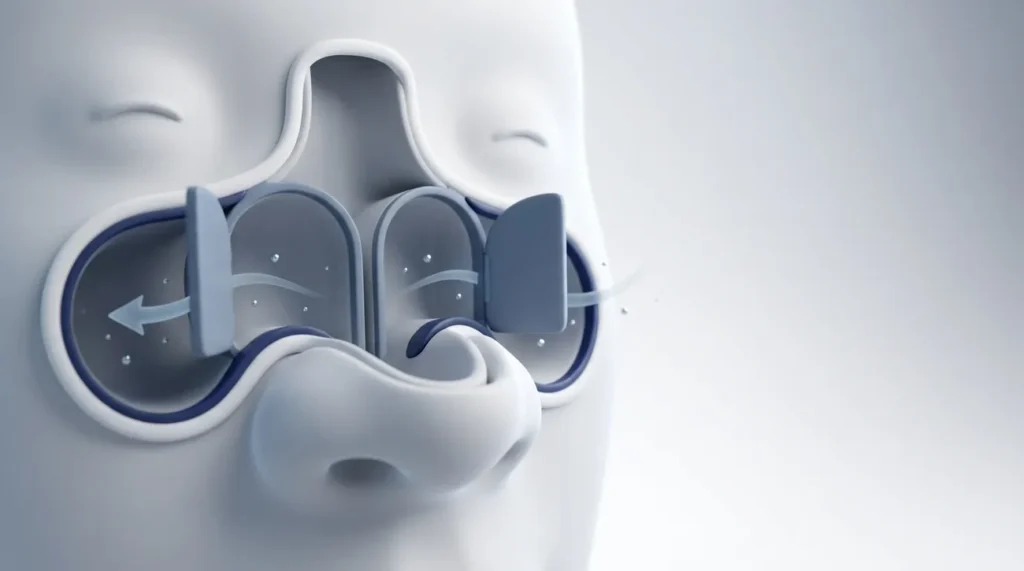
Serious complications from nasal polyps surgery remain rare but demand attention. Vision loss, optic nerve injury and cerebrospinal fluid leaks represent the most severe risks. Bleeding affects 3-5% of patients. Infection and asthma flare-ups can occur. Obstructive sleep apnea may develop when polyps block airflow.
Common complications to watch
Most patients experience mild bleeding for 3-5 days post-surgery. Swelling causes nasal congestion that lasts about one week. Your sense of smell decreases but returns to normal within 1-2 months. Fatigue persists for one week.
Week-by-week recovery guide
The first week brings soreness and bloody discharge. Return to work happens within 7 days. Weeks 2-3 bring noticeable breathing improvements as swelling subsides. Full healing completes between 4-6 weeks. You’ll attend follow-up visits at days 1-2, 4-5, 10 and weeks 2-3 for sinus debridement.
Preventing polyps from returning
Recurrence rates reach 20-30% within 5 years after surgery. Manage allergies and asthma with care. Use nasal rinses with distilled or sterile water daily. Apply topical corticosteroids as prescribed. Avoid tobacco smoke and chemical irritants.
When to see your doctor again
Contact your doctor if fever exceeds 101°F, vision changes occur or constant clear drainage appears. Severe headaches, neck stiffness or uncontrolled bleeding require urgent attention.
Conclusion
Nasal polyps treatment in Bangladesh offers effective solutions at reasonable costs compared to international standards. I’ve covered everything from non-surgical options starting at 2,000 BDT to detailed endoscopic procedures that reach 150,000 BDT. Recovery takes 4-6 weeks and success rates reach 90-95%. Surgery provides lasting relief when medications fail. Research your options, especially post-operative care strategies, carefully. Preventing recurrence requires consistent long-term management rather than one-time intervention alone.
FAQs
The cost of nasal polyp removal in Bangladesh varies depending on the procedure type and hospital. Basic nasal polyp operations start around 16,000-20,000 BDT at mid-tier hospitals, while endoscopic sinus surgery ranges from 18,000 to 64,000 BDT. Comprehensive endoscopic procedures at specialized centers can cost between 50,000 to 150,000 BDT, with total treatment packages including consultation, surgery, and aftercare typically ranging from 50,000 to 100,000 BDT.
Yes, ENT specialists are qualified to remove nasal polyps using various methods. They offer both in-office polypectomy procedures under local anesthesia and surgical solutions like functional endoscopic sinus surgery. The treatment approach depends on factors such as the number, size, and location of your polyps, as well as your overall health condition and symptom severity.
Non-surgical treatments are typically the first line of therapy for nasal polyps. These include nasal corticosteroid sprays like fluticasone and budesonide, which can shrink small to medium-sized polyps. Oral steroids like prednisolone show a 62% response rate in reducing polyp size. For severe cases, biologic therapies such as dupilumab, omalizumab, and mepolizumab are available as monthly injections that target specific inflammatory pathways and reduce the need for surgery.
Recovery from nasal polyp surgery is gradual and occurs in stages. Most patients return to work within 7 days, though mild bleeding and congestion are common during the first week. Noticeable breathing improvements appear in weeks 2-3 as swelling subsides. Complete healing typically takes 4-6 weeks, with your sense of smell returning to normal within 1-2 months after the procedure.
Nasal polyp surgery in Bangladesh has a high success rate of 90-95%, with symptomatic improvement ranging from 78-88%. However, polyps can recur in 10-20% of patients within five years, and about 20% may require revision surgery within this period. To prevent recurrence, it’s essential to manage allergies and asthma, use daily nasal rinses, apply prescribed corticosteroids, and avoid tobacco smoke and chemical irritants.