Sinusitis Treatment Doctor in Bangladesh
Dr M. Muinul Hafiz is the leading sinusitis treatment doctor in Bangladesh, offering nasal treatment at his advanced ENT Care Center in Gulshan, Dhaka. With cutting-edge diagnostics like nasal endoscopy and CT imaging, he effectively manages chronic sinusitis, nasal polyps, allergic rhinitis, and related issues through tailored medical or surgical interventions. As the best ENT doctor in Dhaka, his comprehensive approach delivers rapid relief from sinus pain, headaches, and breathing problems.
Common Problems We Fix
Chronic and acute sinusitis leads to intense facial pain, pressure around eyes and cheeks, thick nasal discharge, persistent fever, bad breath, and reduced sense of smell, severely impacting daily activities, sleep quality, and productivity. Nasal blockage from deviated nasal septum (DNS) causes chronic mouth breathing, loud snoring, frequent infections, nosebleeds, and facial deformities that worsen over time. Allergic rhinitis with nasal polyps results in severe congestion, watery eyes, itchy throat, post-nasal drip coughs, recurrent headaches, and asthma exacerbations, while facial pain and drip cause throat irritation and fatigue.
How We Diagnose Sinus Conditions
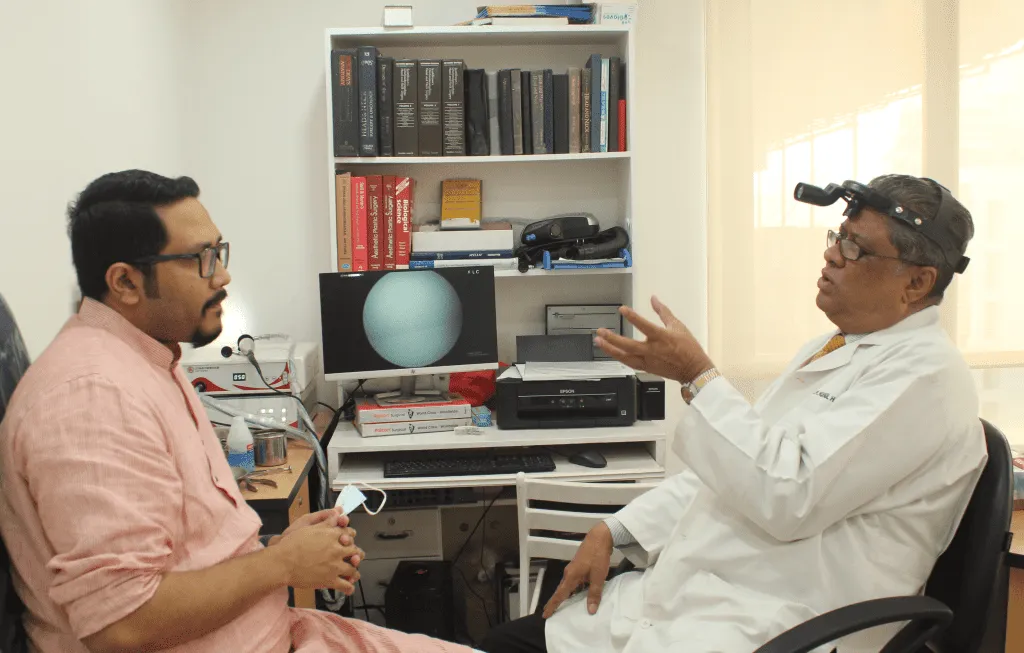
Modern endoscopy and CT scans pinpoint sinusitis causes with detailed sinus cavity mapping, while nasal cytology identifies inflammatory cells and cultures confirm bacterial pathogens accurately. Allergy skin testing and serum IgE quantification reveal specific triggers, and rhinomanometry measures nasal airflow resistance objectively. These diagnostics guide the precise best treatment for sinusitis protocols as the top ENT specialist in Dhaka for nasal issues.
Simple Treatment List
Acute Sinusitis:
Acute Sinusitis: Broad-spectrum antibiotics, nasal corticosteroids, saline irrigation, and steam inhalation therapy.
Chronic Cases:
Balloon sinuplasty, functional endoscopic sinus surgery (FESS), mucolytic agents.
Nasal Polyps:
High-dose steroid sprays, oral prednisone courses, endoscopic polypectomy.
Allergic Rhinitis:
Immunotherapy, leukotriene antagonists, antihistamine combinations.
Our Treatments and Solutions
Targeted antibiotics, nasal corticosteroids, and saline rinses clear acute sinus infections within days for sinus infection treatment, preventing complications like orbital cellulitis. Sinus headache treatment incorporates analgesics, decongestants, and trigger avoidance for immediate relief, while chronic sinus infection treatment options include balloon sinuplasty or FESS for permanent sinus treatment with minimal downtime. These evidence-based approaches follow sinus infection treatment guidelines for optimal recovery.
Advanced Nasal and Allergy Management
Nasal polyps treatment employs steroid sprays progressing to biologics like dupilumab, with endoscopic removal for complete clearance, including safe nasal polyps treatment in child protocols. Deviated septum correction via septoplasty restores airflow permanently, while allergic rhinitis receives comprehensive immunotherapy to halt inflammation cycles as part of treatment for chronic sinusitis excellence by this paediatric ENT specialist in Dhaka.
Why Choose Dr M. Muinul Hafiz
Dr M. Muinul Hafiz stands out as a leading ENT specialist and head-neck surgeon in Dhaka, Bangladesh, with over 40 years of experience treating ear, nose, throat, and sinus conditions. He holds qualifications including MBBS, MS-ENT, and FACS (USA) and has performed over 3,000 surgeries using advanced laser and minimally invasive techniques.
Proven Track Record
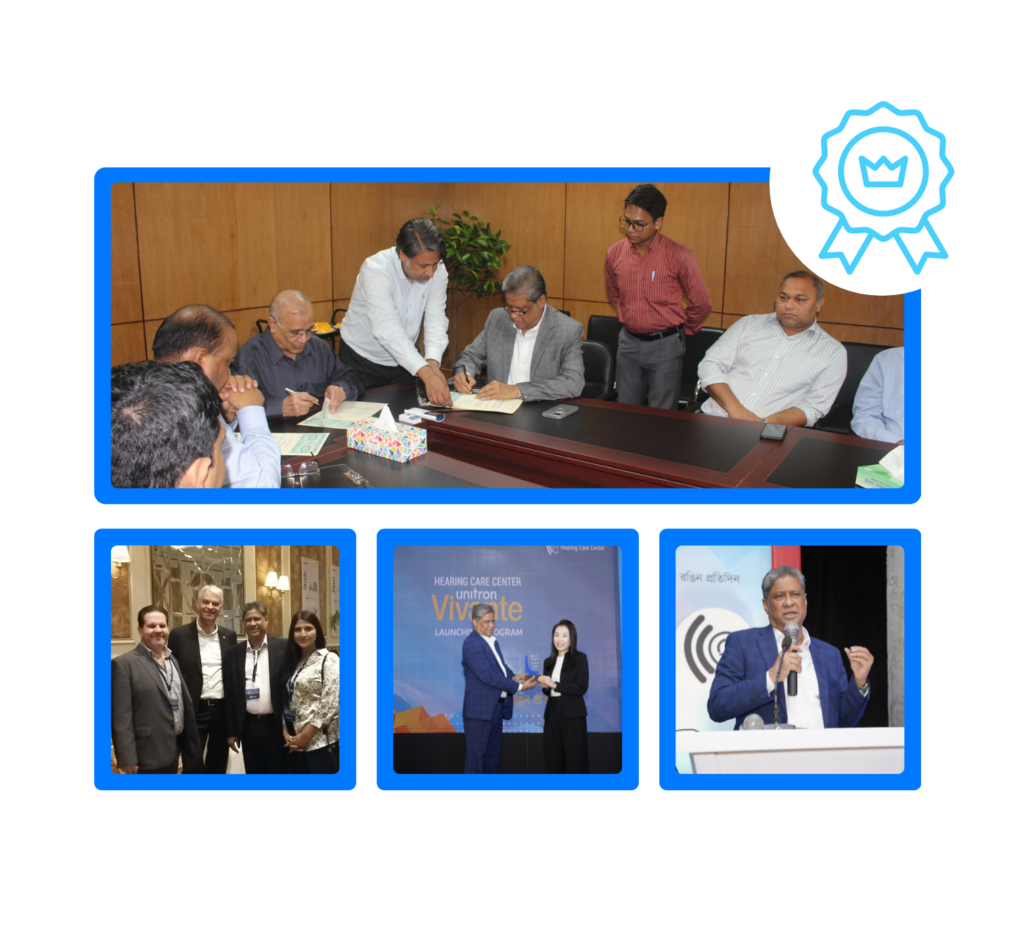
Dr Hafiz has successfully managed over 200,000 sinus cases and thousands of ENT surgeries across multiple centres in Dhaka. His expertise includes endoscopic sinus surgery, hearing restoration, and treatments for chronic sinusitis, nasal polyps, and head-neck tumours, earning him recognition as one of the top ENT doctors in the city.
High-Quality Expertise
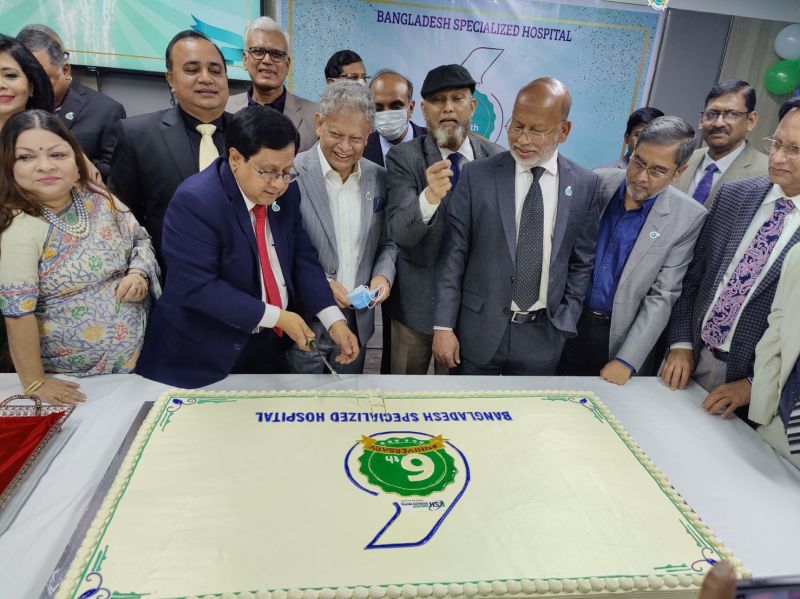
With state-of-the-art equipment at facilities like ENT Care Center and Bangladesh Specialised Hospital, Dr Hafiz ensures precise diagnostics and superior outcomes in sinusitis treatment. He specialises in advanced procedures like laser surgeries and paediatric ENT care, pain and recovery time for patients.
Expert Installation & Maintenance
Dr Hafiz's skill in both non-surgical and surgical interventions, including eardrum repair, tonsillectomy, and voice disorder treatments, provides reliable, long-term relief. As chairman of the ENT Care Center in Gulshan-2, he oversees centres equipped for ongoing patient monitoring and follow-up care.
Total Warranty & Support
Patients receive comprehensive support, from initial consultations to post-operative care, with a focus on personalised treatment plans. His international training and memberships in professional organisations guarantee adherence to global standards.
Cost-Effective Nasal Care Solutions
Best ENT specialist in Dhaka for low-income people Dr Hafiz provides affordable sinusitis treatment doctor services in Bangladesh with free diagnostic camps and flexible payments at accessible locations throughout the ENT specialist in Dhaka city.
Satisfied Customers
Hear from thousands of patients praising Dr Hafiz's results in sinus relief and ENT surgeries. His life-changing treatments have restored breathing and hearing for many families. Real success stories highlight his unmatched dedication and expertise.
Affordable ENT Care for Low-Income Patients
As the best ENT specialist in Dhaka for low-income people, Dr. Hafiz runs low-fee clinics, skips unneeded scans, hosts free community camps, and allows installment payments for ear, nose, and throat specialist needs at ENT specialists in Gulshan, Dhaka, and beyond. His equitable model serves ENT specialists and Dhaka city residents, prioritizing quality care for budget-conscious families without compromise.


Frequently Asked Questions
A sinusitis treatment doctor in Bangladesh, like Dr Hafiz, uses endoscopy, antibiotics, steroids, and FESS for chronic sinus infection treatment options, resolving pain and infections permanently as the best treatment for sinusitis.
The best ENT doctor in Dhaka, Dr Hafiz, applies decongestants, antibiotics, and guidelines-based care for rapid sinus infection treatment relief as an ENT specialist in Dhaka.
ENT specialist doctors in Dhaka, like Dr Hafiz, offer steroid sprays, biologics, and surgery for nasal polyp treatment in Bangladesh, including nasal polyp treatment in children.
ENT specialists in Dhaka, such as Dr Hafiz, provide decongestants, analgesics, and permanent sinus treatment for superior sinus headache treatment and allergies.
Yes, the best ENT specialist in Dhaka for low-income people offers affordable consultations, camps, and therapies as a sinusitis treatment doctor in Bangladesh.