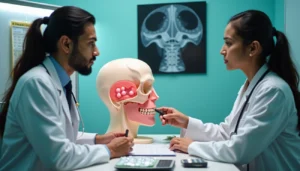
Effective nose polyps treatment starts with understanding that these growths affect up to 40% of the general population. Men are twice as likely to develop them. Nasal polyps are common, noncancerous growths that can substantially affect your breathing and quality of life. Many people find polyps in their nose during their 30s or 40s, often when breathing difficulties become noticeable.
We’ve created this detailed guide to walk you through the best treatment options available in 2026. You’ll explore effective solutions for managing nasal polyps, from home remedies and natural approaches to prescription medications and surgical interventions. We’ll cover non-medical treatments, medical interventions and long-term prevention strategies to help you breathe easier.
Non-Medical and Home-Based Nasal Polyps Treatment
Home remedies can provide symptom relief, though they won’t remove or shrink polyps. Saline nasal irrigation using a neti pot helps flush out mucus and allergens. This reduces congestion and irritation. Use distilled or previously boiled water for safety. Mix 1-2 teaspoons of salt with warm water until it tastes as salty as tears, then tilt your head sideways and run the solution through one nostril and out the other.
Steam inhalation moisturizes the nasal canal and loosens trapped mucus. You can fill a bowl with hot water and drape a towel over your head, take a shower, or use a personal steamer. Essential oils like eucalyptus or peppermint provide extra relief. A humidifier prevents dry nasal passages and supports sinus comfort.
Your diet plays a role in managing inflammation. Avoid refined sugar, aged cheeses and fried foods as these trigger inflammatory responses. Incorporate anti-inflammatory foods like turmeric, ginger and omega-3 rich foods. Natural substances like bromelain from pineapples and tea tree oil are a great way to get anti-inflammatory benefits.
Reducing exposure to triggers matters. Cigarette smoke, dust and strong fragrances can worsen inflammation. Keep your head propped up and drink plenty of water to support mucus drainage when sleeping.
Find lasting relief from nasal congestion. Book an appointment with our specialists in Bangladesh.
Prescription Medications and Medical Interventions
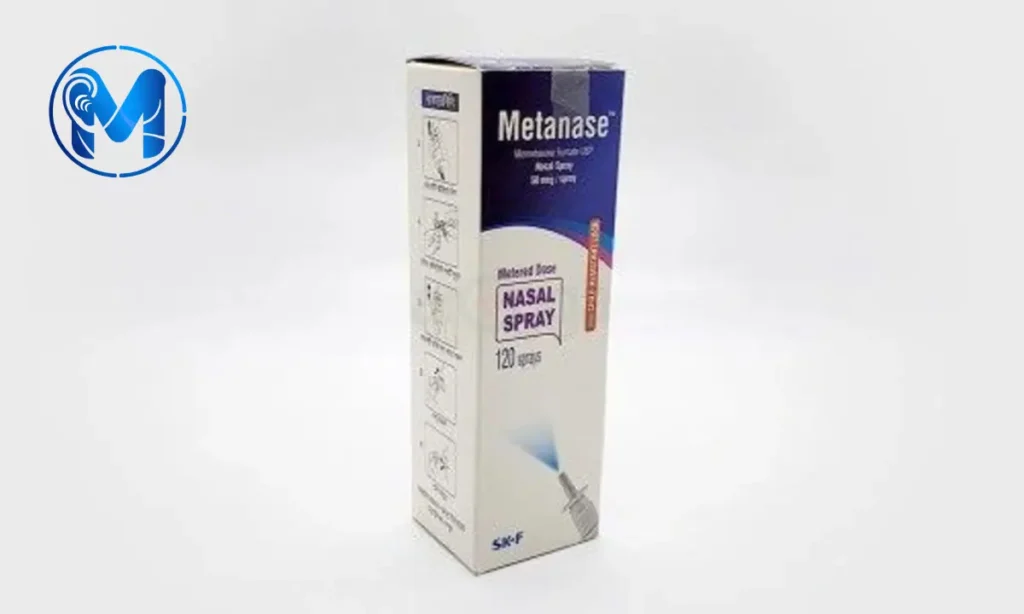
At the time home approaches don’t provide adequate relief, medical treatment becomes work to be done. Intranasal corticosteroid sprays serve as the first-line treatment for nasal polyps. Dosing twice daily proves more effective than once-daily application. These sprays reduce inflammation and shrink polyp size by a lot.
Doctors prescribe oral corticosteroids like prednisolone for moderate to severe symptoms. A 14-day course of 50 mg prednisolone has shown safe and effective results for symptomatic nasal polyposis. The prednisolone-treated group shows greater improvements in nasal symptoms and polyp size at 2 weeks compared to placebo by a lot. But patients with grade 3 polyps still have nowhere near as much therapeutic improvement compared to those with smaller sizes, grades 1 and 2.
Injectable corticosteroids target severe polyps to reduce inflammation. Biologic therapies are a great way to get promising results for resistant cases. Dupilumab blocks IL-4 and IL-13 signaling and reduces nasal polyp score while improving nasal congestion. Omalizumab decreased nasal polyp score with improvements in nasal congestion and SNOT-22 by a lot. Mepolizumab improved nasal polyp size and nasal obstruction. It also reduced the need for surgery.
Leukotriene modifiers like montelukast may provide subjective improvement as add-on therapy to intranasal corticosteroids. Functional endoscopic sinus surgery is recommended at the time medical treatment fails to control symptoms adequately.
Long-Term Management and Prevention Strategies
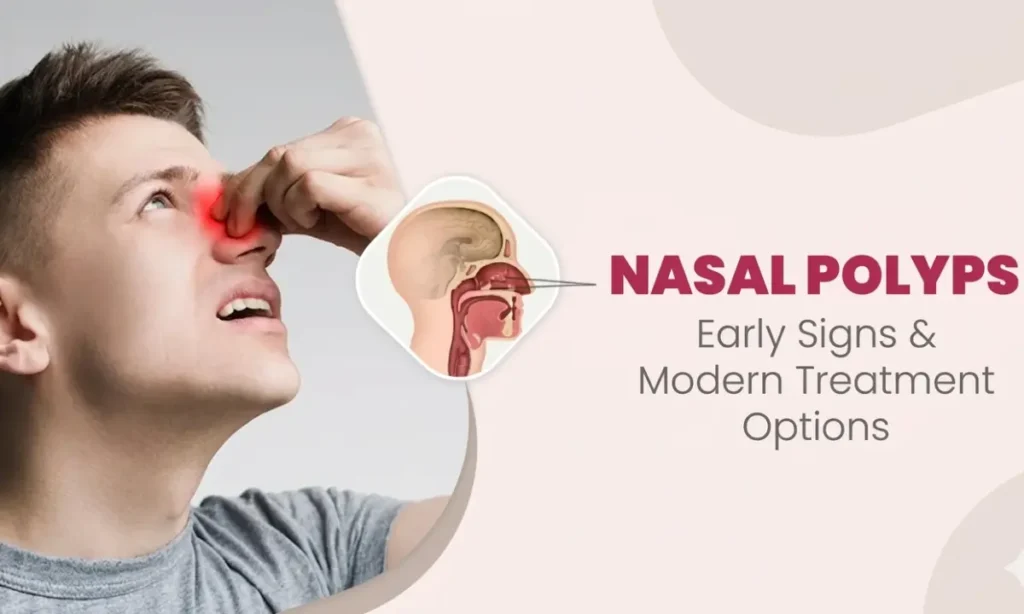
No cure exists for nasal polyps, but proper management can control chronic inflammation and prevent recurrence. Your ENT doctor performs regular endoscopic exams after surgery to monitor for polyp regrowth. Patients with limited symptoms need monitoring once or twice yearly. Those with severe obstructive symptoms require closer follow-up.
Post-operative care centers on topical nasal steroids, which prove very safe and more affordable than other therapies. You won’t need multiple operations if you follow your medical routine after surgery. Recurrence remains common despite treatment. Studies show 40% of patients demonstrate polyp recurrence at 18-month follow-up. Some cohorts report 50-60% recurrence rates.
Biologics offer a new approach in the most complicated cases. These immune system-altering drugs require regular skin injections and cost substantially more than standard treatments. They work when other therapies fail, but polyps recur within months after stopping injections. Common side effects include allergic reactions, cold sores and corneal inflammation. ENT doctors reserve biologics for the most difficult cases.
Lifestyle modifications support long-term control. Use humidifiers to prevent nasal dryness and avoid tobacco smoke and chemical fumes. Manage asthma and allergies according to your treatment plan.
Conclusion
Nasal polyps require ongoing management rather than a one-time fix. Combining medical treatments with lifestyle modifications gives you the best chance at breathing relief. We recommend starting with corticosteroid sprays and home remedies. If needed, you can progress to biologics or surgery. Recurrence is common, so regular follow-ups with your ENT doctor matter. With the right treatment plan and consistent care, you can reduce symptoms by a lot and improve your quality of life.
Ready to take the next step toward better breathing? Reach out to us through our Contact page to schedule a consultation and regain your comfort today.
FAQS
Home remedies can provide symptom relief but cannot remove or shrink nasal polyps. Saline nasal irrigation with a neti pot, steam inhalation, and anti-inflammatory foods help manage congestion and irritation. However, these approaches should be combined with medical treatment for effective long-term management.
Intranasal corticosteroid sprays serve as the first-line treatment for nasal polyps. Twice-daily dosing proves more effective than once-daily application in reducing inflammation and shrinking polyp size. These sprays are safe, less expensive than other therapies, and form the foundation of most treatment plans.
Recurrence is quite common despite treatment. Studies show that 40-60% of patients experience polyp regrowth, with some research indicating 40% recurrence at 18-month follow-up. This makes regular monitoring and consistent long-term management essential for controlling symptoms.
Biologic therapies like dupilumab, omalizumab, and mepolizumab are reserved for severe or resistant cases when standard treatments fail. These injectable medications significantly improve nasal polyp size and congestion but require regular injections, cost considerably more than standard treatments, and polyps typically recur within months after stopping.
Key lifestyle modifications include using humidifiers to prevent nasal dryness, avoiding tobacco smoke and chemical fumes, managing underlying asthma and allergies according to your treatment plan, and reducing exposure to triggers like dust and strong fragrances. Incorporating anti-inflammatory foods and staying hydrated also support long-term control.