When it comes to addressing nasal health issues, nasal polyp surgery is a common procedure that many people undergo. As a non‑cancerous growth in the nasal passages or sinuses, nasal polyps can cause significant discomfort and breathing difficulties. These benign growths are often linked to inflammation and can result in symptoms such as nasal congestion, reduced sense of smell, and sinus infections. Surgery is often recommended when medications fail to provide relief.
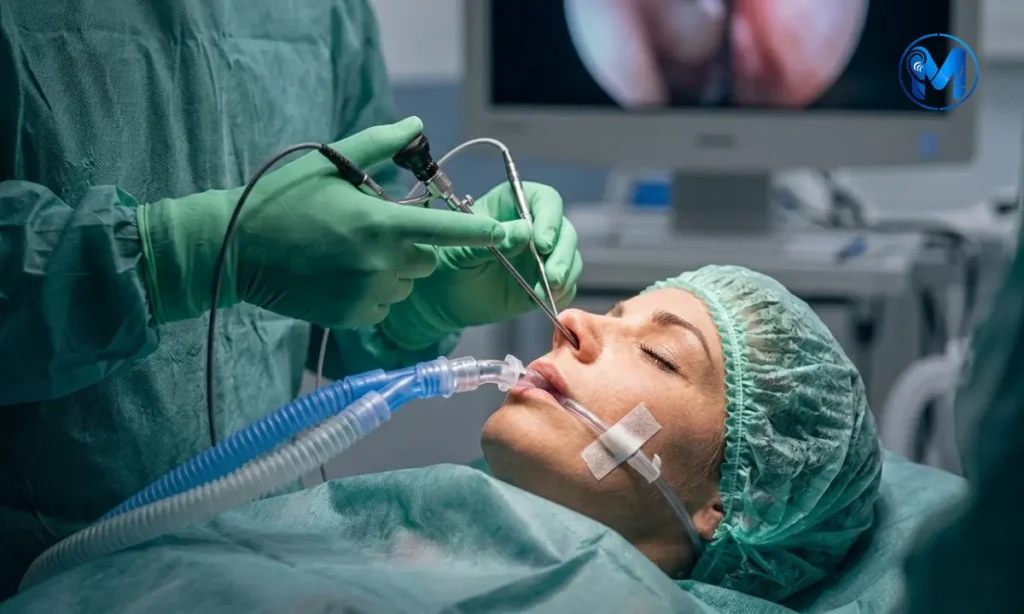
Nasal polyp surgery, also known as endoscopic sinus surgery, involves the removal of these polyps to restore normal airflow and sinus function. The procedure is typically performed using a nasal endoscope, a thin tube with a camera and light at the end, allowing for precise removal of the polyps without the need for external incisions. This minimally invasive approach reduces recovery time and minimizes risks associated with more invasive surgeries.
Understanding the intricacies of this surgery can help alleviate concerns and prepare individuals for what to expect. By educating ourselves on the process, we can better comprehend how it can improve quality of life by relieving symptoms and preventing complications related to chronic sinusitis and other associated conditions.
The Importance of Nasal Polyp Surgery
Nasal polyp surgery is crucial for individuals who suffer from chronic sinus issues that medications alone cannot alleviate. The presence of polyps can obstruct nasal passages, leading to persistent sinus infections, difficulty breathing, and even sleep disturbances. For many, surgery is the only way to achieve lasting relief and prevent further complications.
The impact of untreated nasal polyps extends beyond physical discomfort. They can significantly affect our quality of life, interfering with daily activities and reducing overall well-being. By addressing these growths through surgery, individuals can experience significant improvements in their ability to breathe, smell, and engage in everyday activities without discomfort.
Moreover, nasal polyp surgery can prevent potential health risks associated with chronic sinus obstruction. Prolonged inflammation and blockage can lead to conditions such as obstructive sleep apnea, which poses serious health threats. Thus, surgery not only enhances quality of life but also mitigates the risk of developing more serious health issues in the future.
Factors Influencing Surgery Duration
The duration of nasal polyp surgery can vary based on several factors. Understanding these factors can help set realistic expectations and prepare for the procedure. One significant determinant is the extent and location of the polyps. Larger or more widespread polyps may require more time to remove. Additionally, if polyps are located in hard‑to‑reach areas, the surgery may take longer to ensure complete removal.
Another factor to consider is the patient’s overall health and medical history. Conditions such as high blood pressure, diabetes, or a history of nasal surgeries can influence the complexity and duration of the procedure. Surgeons must take these into account to tailor the surgery to each individual’s unique needs, ensuring both safety and efficacy.
Technology and surgical techniques can also impact the duration of the surgery. Advances in endoscopic equipment and techniques have significantly reduced surgical times compared to traditional methods. However, the surgeon’s experience and skill level are crucial in determining how efficiently the procedure is performed. Choosing a skilled and experienced surgeon, such as the leading ENT specialists at Dr. M. Muinul Hafiz, can make a significant difference in the overall duration and success of the surgery.
Typical Duration of Nasal Polyp Surgery
While the duration of nasal polyp surgery can vary, it generally takes between 30 minutes to 2 hours. This timeframe allows for the careful and thorough removal of polyps while minimizing risks and ensuring patient safety. The complexity of the case, as well as the specific surgical approach employed, can influence the length of the procedure.
For straightforward cases with minimal polyps, the surgery may be completed in as little as 30 to 45 minutes. This is often the case when polyps are small and easily accessible through the nasal passages. On the other hand, more complex cases involving larger or multiple polyps may require additional time to ensure complete removal and address any associated sinus issues.
It’s essential to discuss the expected duration with the surgeon during the pre‑operative consultation. This conversation will provide a more accurate estimate based on the individual’s specific condition and the surgeon’s assessment. Knowing what to expect in terms of time can help alleviate anxiety and allow for better planning for post‑operative recovery.
Pre‑operative Preparations
Preparing for nasal polyp surgery involves several steps to ensure a smooth and successful procedure. Before the surgery, patients are typically advised to avoid certain medications that can increase bleeding risk, such as aspirin or non‑steroidal anti‑inflammatory drugs (NSAIDs). It’s crucial to discuss all medications, including supplements, with the surgeon to receive personalized instructions.
Patients should also arrange for transportation to and from the surgical facility, as they will not be able to drive immediately after the procedure. Having a friend or family member accompany them can provide support and assistance during the initial recovery phase. Additionally, it’s advisable to prepare a comfortable recovery space at home, complete with necessary supplies such as tissues, nasal saline sprays, and prescribed medications.
Fasting is usually required for a few hours before the surgery, as anesthesia is typically administered. Following the surgeon’s instructions regarding fasting and pre‑operative care is essential to minimize complications and ensure a smooth surgical experience. Open communication with the surgical team can help address any concerns and ensure proper preparation for the day of the surgery.
The Surgical Procedure: Step by Step
Nasal polyp surgery is conducted in a series of well‑coordinated steps. The procedure typically begins with the administration of anesthesia to ensure comfort and prevent pain during the surgery. General anesthesia is commonly used, allowing the patient to be asleep throughout the procedure. In some cases, local anesthesia with sedation may be an option, depending on the individual’s health and the surgeon’s preference.
Once the patient is anesthetized, the surgeon inserts an endoscope into the nasal passages. This thin, flexible tube is equipped with a camera and light, providing a clear view of the nasal cavities and polyps. Using specialized instruments introduced through the endoscope, the surgeon carefully removes the polyps, ensuring minimal damage to surrounding tissues. This precision is crucial for reducing post‑operative discomfort and promoting quicker healing.
After the polyps are removed, the surgeon may perform additional procedures to address sinus issues, such as widening the sinus openings or removing any obstructions. Once the surgery is complete, the patient is taken to a recovery area, where they are monitored until the effects of anesthesia wear off. The entire process is designed to minimize risks and ensure a successful outcome, paving the way for improved nasal function and symptom relief.
Post‑operative Recovery Time
Recovery from nasal polyp surgery varies from person to person, but most individuals can expect to resume normal activities within 1 to 2 weeks. During the initial recovery phase, it’s common to experience some nasal congestion, mild pain, and a sensation of pressure in the nasal passages. These symptoms are temporary and typically subside as healing progresses.
To facilitate a smooth recovery, it’s important to follow post‑operative care instructions provided by the surgeon. These may include using saline nasal sprays to keep the nasal passages moist, avoiding strenuous activities that could increase bleeding risk, and refraining from blowing the nose vigorously. Adhering to these guidelines can help prevent complications and promote faster healing.
Regular follow‑up appointments with the surgeon are essential to monitor healing progress and address any concerns that may arise. These visits provide an opportunity to discuss any persistent symptoms and ensure that the nasal passages are healing properly. By prioritizing recovery and adhering to medical advice, individuals can enjoy the full benefits of nasal polyp surgery and improved sinus health.
Common Questions About Surgery Duration
Prospective patients often have questions regarding the duration of nasal polyp surgery. Understanding the factors that influence the length of the procedure can help provide clarity and set realistic expectations. It’s important to remember that while the surgery itself may take a specific amount of time, additional factors such as pre‑operative preparations, anesthesia administration, and post‑operative recovery should also be considered.
One common question is whether the duration of the surgery affects the overall outcome. While longer surgeries may be necessary for more complex cases, the emphasis should always be on achieving successful results rather than focusing solely on time. A well‑executed surgery, regardless of its duration, can lead to significant improvements in nasal function and quality of life.
Patients often inquire about how quickly they can return to their regular activities post‑surgery. While recovery times vary, most individuals can resume normal activities within a couple of weeks. It’s crucial to follow post‑operative care instructions and attend follow‑up appointments to ensure a safe and smooth recovery process. For guidance on whether medical treatment or surgery suits your case best, you can explore the detailed comparison on the surgical vs medical nasal polyps treatment in Bangladesh page.
Tips for a Smooth Recovery After Nasal Polyp Surgery
A successful recovery from nasal polyp surgery requires careful attention to post‑operative care. Here are some tips to promote healing and ensure a smooth recovery process:
- Follow medical advice: Adhere to all post‑operative instructions provided by the surgeon, including medication schedules, nasal care routines, and activity restrictions. You can also learn more about long‑term management strategies for nasal polyps in Dr. Hafiz’s best nose polyps treatment guide.
- Rest and hydration: Prioritize rest during the initial recovery period and stay hydrated to support the body’s healing processes.
- Manage discomfort: Use prescribed pain medications as directed to manage any discomfort or pain. Over‑the‑counter pain relievers may also be recommended by the surgeon.
- Avoid irritants: Stay away from smoke, strong odors, and allergens that could irritate the nasal passages and impede healing. Information about avoiding environmental triggers is also covered in the nose polyps treatment blog.
- Attend follow‑up appointments: Regular check‑ups with the surgeon are essential to monitor healing progress and address any concerns that may arise.
By following these guidelines, individuals can enhance their recovery experience and enjoy the benefits of improved nasal function and reduced symptoms.
Conclusion: What to Expect from Your Surgery
Nasal polyp surgery is a valuable option for individuals seeking relief from chronic sinus issues and nasal obstructions. While the procedure’s duration can vary based on several factors, understanding the process and preparing adequately can help set realistic expectations and ensure a successful outcome.
By addressing nasal polyps through surgery, individuals can experience improved breathing, reduced symptoms, and an enhanced quality of life. It’s crucial to choose a skilled surgeon, such as the trusted ENT specialists at Dr. M. Muinul Hafiz, follow pre‑operative and post‑operative instructions, and prioritize recovery to achieve the best possible results.
If you’re considering nasal polyp surgery, I encourage you to discuss your options with a qualified healthcare professional. You can book a consultation with Dr. M. Muinul Hafiz to receive personalized guidance and support, helping you make informed decisions about your health and well-being. Don’t hesitate to reach out and take the first step toward a healthier, more comfortable life.t your health and well-being. Don’t hesitate to reach out and take the first step toward a healthier, more comfortable life.
FAQ
Nasal polyp surgery typically lasts 30 minutes to 1-2 hours, depending on polyp size and location. It’s usually outpatient with endoscopic tools.
Most return to work in 7-10 days; full healing takes 2-4 weeks. Follow-up visits are key.
Skip nose blowing, heavy lifting, bending, and strenuous exercise for 10 days. No steroid sprays for 2 weeks.
Light bleeding is normal first 3-5 days; use saline spray. Take Tylenol for pain. Call doctor for heavy bleeding.
Polyps are soft growths from inflammation; meds often work first. Surgery improves breathing if they persist.