
Dhaka’s pollution + humidity creates daily ENT emergencies for millions.
Dr. M. Muinul Hafiz (MBBS, MS, FACS-USA), Chairman ENT Care Center & Bangladesh Specialized Hospital Director, trained at Dhaka Medical College, treats these non-stop. Carrying his father’s physician legacy, he specializes in LASER ENT surgery and advanced endoscopy.
Nose-throat issues block breathing, smell, and sleep. From chronic sinus pain to childhood tonsillitis, Bangladesh ENT doctors see life-altering cases daily at major hospitals like Bangladesh Specialized Hospital.
Part 1 reveals TOP 5 most common ENT problems you’re likely experiencing – exact symptoms, local diagnosis methods, proven Bangladesh treatments that bring permanent relief.
Chronic Sinusitis
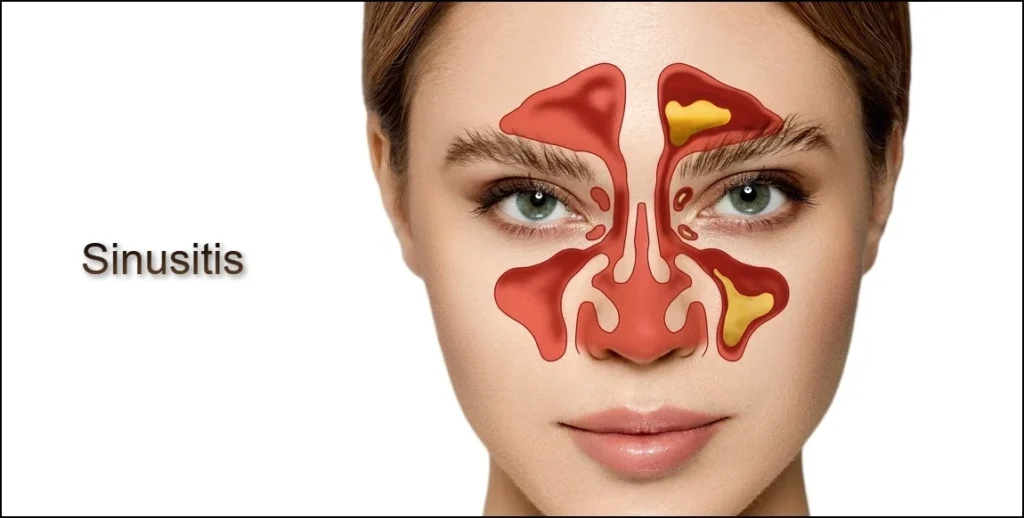
Chronic sinusitis represents one of the most common conditions treated by ENT specialists across Bangladesh. Unlike acute sinusitis that resolves within days, chronic sinusitis involves inflammation of the sinus passages that persists for 12 weeks or longer, despite treatment attempts.
Chronic Sinusitis description
Chronic sinusitis occurs when the tissues lining your sinuses become inflamed and swollen for an extended period. This inflammation blocks normal mucus drainage, leading to mucus buildup in the sinus cavities. In Bangladesh, this condition is fairly common and more frequently affects younger people, with both sexes equally affected and higher occurrence during winter and rainy seasons.
Chronic Sinusitis symptoms
Patients suffering from chronic sinusitis typically experience:
- Facial pressure or tenderness around the nose, eyes, and forehead
- Thick yellow or green nasal discharge
- Nasal congestion or obstruction
- Postnasal drip (mucus running down the throat)
- Reduced or lost sense of smell and taste
- Cough, especially at night
- Fatigue and headaches
Furthermore, many patients report toothaches, ear pain, and bad breath (halitosis).
Chronic Sinusitis causes and risk factors
The primary causes of chronic sinusitis include:
- Conditions blocking airways (asthma, allergies, cystic fibrosis)
- Tooth infections
- Weakened immune system
- Nasal polyps (growths)
Risk factors that increase susceptibility include deviated nasal septum, severe allergies, exposure to mold, smoking history, and respiratory tract infections. Consequently, people with asthma or allergies face higher risks as their airways are more prone to inflammation.
Chronic Sinusitis diagnosis methods
Diagnosis typically involves:
- Physical examination of nasal passages
- Nasal endoscopy to look inside the nose and sinuses
- CT scan or MRI to check for polyps or deviated septum
- Rarely, biopsies for suspected non-sinusitis conditions
In Bangladesh, X-ray of paranasal sinuses may also be used to confirm diagnosis by showing thickening of mucus and haziness of the sinuses.
Chronic Sinusitis treatment options
Treatment approaches in Bangladesh focus on:
- Nasal saline irrigation to rinse irritants
- Nasal corticosteroid sprays to reduce inflammation
- Antibiotics for bacterial infections (typically for three weeks)
- Surgery for structural issues
Moreover, Functional Endoscopic Sinus Surgery (FESS) has become the treatment of choice for chronic sinusitis in Bangladesh, now available in several hospitals across the country.
When to see a doctor for Chronic Sinusitis
Consult a sinusitis treatment doctor in Bangladesh if:
- Symptoms persist beyond 12 weeks
- You experience recurring infections several times yearly
- You have thick green or yellow mucus discharge
- You feel pain when applying gentle pressure around your nose, forehead, or eyes
- Over-the-counter treatments provide no relief [53]
Early intervention by qualified ENT specialists can prevent complications such as chronic infections or structural damage to the sinuses.
Allergic Rhinitis

Allergic rhinitis stands among the most frequent conditions encountered by sinusitis treatment doctors in Bangladesh, affecting approximately 20-25% of the population. This condition, often mistakenly dismissed as a common cold, actually represents an immune system overreaction to harmless environmental substances.
Allergic Rhinitis description
Allergic rhinitis involves inflammation of the nasal mucosa triggered by an allergic reaction. While sometimes called hay fever, this condition neither involves hay nor causes fever. In Bangladesh, allergic rhinitis rates mirror global trends, particularly in urban centers like Dhaka where pollution levels are high. According to local medical professionals, the condition can be seasonal (occurring during specific times of year) or perennial (year-round).
Allergic Rhinitis symptoms
Patients typically experience:
- Sneezing and nasal itching
- Runny or blocked nose
- Itchy, red, and watery eyes
- Scratchy throat and post-nasal drip
- Fatigue and difficulty sleeping
Many patients in Bangladesh also report a characteristic black transverse line appearing over the nose as a visible sign.
Allergic Rhinitis causes and risk factors
The primary triggers in Bangladesh include:
- Air pollution (particularly relevant in Dhaka)
- Pollen from trees, grasses, and weeds
- Dust mites in homes
- Mold spores (common in humid conditions)
- Animal dander
Notably, heredity plays a significant role children have a 40% chance of developing allergic rhinitis if both parents have it, dropping to 20% with one affected parent. Males generally face higher risk than females.
Allergic Rhinitis diagnosis methods
Diagnosis typically involves:
- Physical examination and detailed medical history
- Skin prick test (showing positive reaction within 10-15 minutes)
- Blood tests measuring elevated IgE (immunoglobulin) levels
Allergic Rhinitis treatment options
Treatment approaches in Bangladesh include:
- Antihistamines (loratadine, cetirizine) to reduce sneezing and itching
- Nasal corticosteroid sprays to decrease inflammation
- Decongestants for short-term relief
- Nasal saline irrigation to clear allergens
- Immunotherapy (allergy shots) for severe cases
When to see a doctor for Allergic Rhinitis
Consult a specialist if:
- Symptoms severely affect daily activities or sleep
- Over-the-counter treatments provide inadequate relief
- You develop complications like sinusitis or asthma
- You experience breathing difficulties
- Symptoms worsen or change pattern
Importantly, untreated allergic rhinitis in Bangladesh can progress to complications including asthma, ethmoidal polyps, sinusitis requiring surgery, or otitis media with hearing impairment.
Deviated Nasal Septum
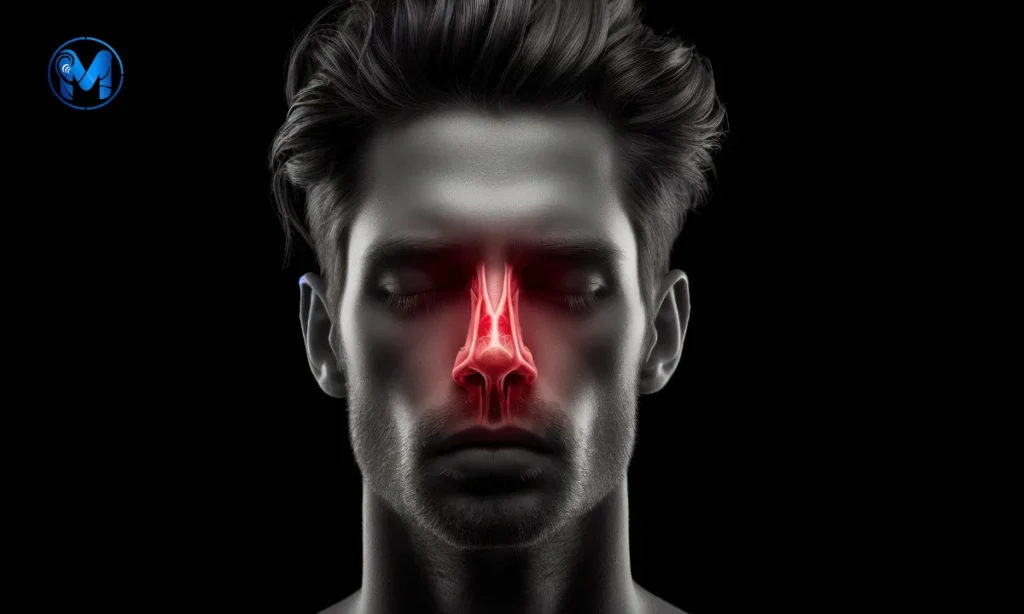
Deviated nasal septum represents a common structural problem seen by sinusitis treatment doctors in Bangladesh, with studies showing it affects approximately 80% of the population to some degree. This condition often contributes to chronic nasal and sinus issues that many patients don’t recognize as treatable.
Deviated Nasal Septum description
A deviated nasal septum occurs when the thin wall (septum) between your nasal passages is displaced to one side. This septum, composed of cartilage and bone, ideally should divide the nose into equal halves. However, when deviated, it creates uneven nasal passages. In Bangladesh, endoscopic septoplasty has shown excellent results with objective assessment showing improved airway in treated patients.
Deviated Nasal Septum symptoms
Patients with significant deviations typically experience:
- Nasal obstruction (usually worse on one side)
- Frequent nosebleeds from dryness
- Noisy breathing or snoring during sleep
- Preference for sleeping on one particular side
- Recurring sinus infections
Additionally, facial pain, headaches, and difficulty staying asleep are common complaints. Some patients might even develop obstructive sleep apnea as their condition worsens.
Deviated Nasal Septum causes and risk factors
The primary causes include:
- Congenital factors – present at birth due to fetal development or birth trauma
- Injury to the nose – from accidents, sports injuries, or fights
- Aging – cartilage naturally weakens over time
The main risk factors involve activities with potential for nasal injury such as contact sports and car accidents without seatbelts. In Bangladesh, nasal obstruction from septal deviation is a frequent complaint bringing patients to ENT outpatient departments.
Deviated Nasal Septum diagnosis methods
Diagnosis typically involves:
- Physical examination using a bright light and nasal speculum
- Nasal endoscopy for detailed view inside the nose
- CT scans for severe cases or pre-surgical planning
In Bangladesh, ENT specialists often use endoscopic examination prior to septoplasty for accurate assessment.
Deviated Nasal Septum treatment options
For mild cases, treatment focuses on managing symptoms with:
- Nasal steroid sprays to reduce inflammation
- Antihistamines for allergy-related symptoms
- Saline irrigation to clear mucus
For severe cases causing breathing difficulties, surgical intervention through septoplasty is necessary. This procedure straightens the septum by repositioning or removing parts before reinsertion. Notably, post-operative results in Bangladesh show significant improvement with average decline in NOSE scores by 96.26%.
When to see a doctor for Deviated Nasal Septum
Consult a sinusitis treatment doctor in Bangladesh if:
- Breathing difficulties persist
- You experience frequent nosebleeds
- Sleep disturbances occur regularly
- Sinus infections become recurrent
- Over-the-counter treatments provide no relief
Early assessment by qualified ENT specialists can determine if septoplasty might help improve your quality of life.
Nasal Polyps
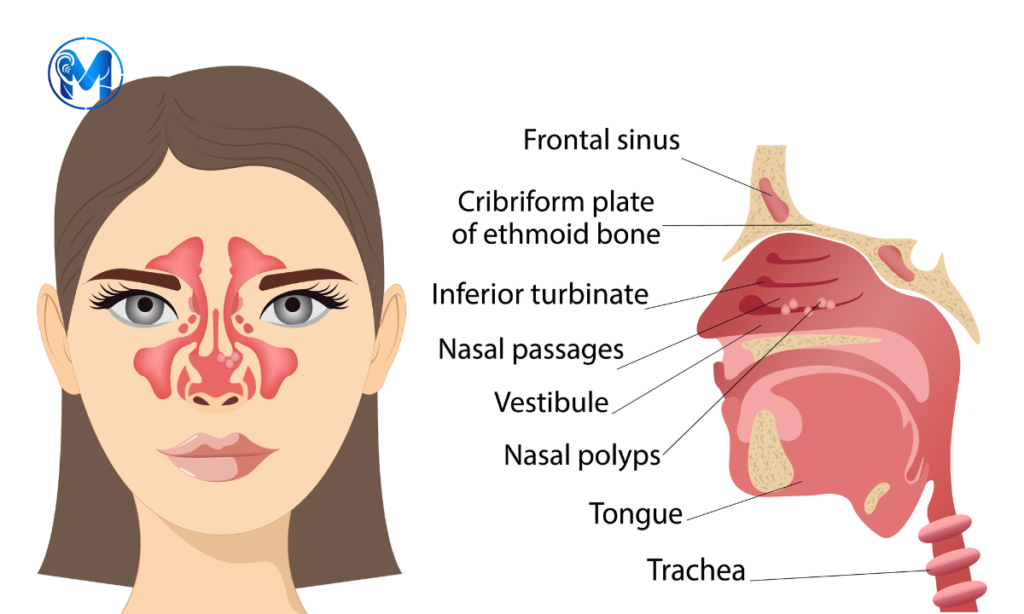
Nasal polyps affect up to four percent of the general population in Bangladesh and represent a significant challenge for sinusitis treatment doctors nationwide. These growths can substantially impact quality of life and require specialized intervention from ENT specialists.
Nasal Polyps description
Nasal polyps are soft, painless, non-cancerous growths that develop on the lining of nasal passages or sinuses because of chronic inflammation. They vary in size from small teardrops to large grapes, sometimes growing large enough to block nasal passages. Although benign, these fleshy outgrowths can cause significant discomfort and breathing difficulties. Most polyps appear translucent to gray, fleshy and pedunculated, with a mature polyp resembling a peeled, seedless grape.
Nasal Polyps symptoms
Patients with nasal polyps typically experience:
- Persistent nasal congestion or stuffiness
- Runny nose or postnasal drip
- Facial pain or pressure around the sinuses
- Headaches, particularly in the forehead
- Reduced or lost sense of smell and taste
- Snoring and difficulty breathing through the nose
In severe cases, patients may develop completely obstructing nasal polyposis leading to symptoms of obstructive sleep apnea. Importantly, nasal polyps can impair quality of life even more than perennial allergic rhinitis.
Nasal Polyps causes and risk factors
The primary cause of nasal polyps is chronic inflammation, often linked to:
- Chronic sinusitis (inflammation lasting 12+ weeks)
- Allergies (approximately 30% of patients with nasal polyps test positive for environmental allergies)
- Asthma (discovered in 50% of patients with chronic rhinosinusitis with nasal polyps)
- Aspirin sensitivity
- Recurrent infections
Environmental factors prevalent in Bangladesh, namely pollution and humidity, often exacerbate inflammation, making residents more susceptible.
Nasal Polyps diagnosis methods
Diagnosis typically involves:
- Nasal endoscopy – thin, flexible tube with camera visualizes nasal passages
- CT scans – considered the imaging study of choice
- Allergy testing – identifies triggers like pollen or dust
- Biopsy – for masses that don’t have classic appearance of nasal polyps
Nasal Polyps treatment options
Treatment approaches begin with:
- Nasal corticosteroid sprays to reduce inflammation and shrink polyps
- Oral corticosteroids for severe cases (most effective short-term medical treatment)
- Antibiotics for underlying bacterial infections
- Antihistamines for allergy management
For cases resistant to medication, surgical intervention through endoscopic sinus surgery (ESS) may be necessary. Studies show ESS has fewer complications and lower polyp recurrence rates (8%) compared to conventional surgeries (14%).
When to see a doctor for Nasal Polyps
Consult a sinusitis treatment doctor in Bangladesh if you experience:
- Persistent nasal congestion lasting 10-14 days
- Loss of smell
- Facial pain
- Breathing difficulties
- Symptoms unresponsive to over-the-counter medications
Early intervention by qualified ENT specialists can prevent complications like recurrent infections or severe breathing difficulties.
Tonsillitis

Tonsillitis remains one of the most frequently encountered inflammatory conditions among ENT specialists in Bangladesh, primarily affecting children and adolescents. This infection requires proper diagnosis and management to prevent potential complications.
Tonsillitis description
Tonsillitis is inflammation of the tonsils two oval-shaped pads of tissue located at the back of the throat, one on each side. These tissues serve as immune system defenders, trapping germs that could otherwise enter airways and cause infection. Nevertheless, they sometimes become overwhelmed by bacteria or viruses, leading to swelling and irritation.
Tonsillitis symptoms
Patients with tonsillitis typically experience:
- Red, swollen tonsils with white or yellow coating/patches
- Sore throat and painful swallowing
- Fever above 100.4°F (38°C)
- Enlarged, tender lymph nodes in the neck
- Scratchy, muffled or throaty voice
- Bad breath
In younger children who cannot express themselves clearly, symptoms often include drooling due to difficulty swallowing, refusal to eat, and increased fussiness.
Tonsillitis causes and risk factors
Viral infections account for up to 70% of tonsillitis cases. In contrast, bacterial infections most commonly Streptococcus pyogenes (group A streptococcus) cause the remainder. Research in Bangladesh has shown alarming rates of antimicrobial resistance among S. pyogenes strains, complicating treatment.
Primary risk factors include:
- Young age: Tonsillitis most commonly affects children between 5-15 years
- Environmental exposure: School-aged children have frequent contact with germs through close interaction with peers
Tonsillitis diagnosis methods
Diagnosis typically involves:
- Physical examination of throat, ears, and nose using a lighted instrument
- Throat swab tests to identify bacterial infections
- Complete blood count (CBC) for differentiating bacterial versus viral causes
Tonsillitis treatment options
Treatment approaches vary based on the cause:
- For viral tonsillitis: At-home care including rest, plenty of fluids, warm saltwater gargles, and pain management with ibuprofen or acetaminophen
- For bacterial tonsillitis: Antibiotics, typically penicillin taken orally for 10 days
- For recurrent cases: Tonsillectomy (surgical removal of tonsils) might be recommended if tonsillitis occurs at least seven times in one year, five times yearly for two years, or three times yearly for three years
When to see a doctor for Tonsillitis
Seek medical attention if:
- Sore throat persists more than 24-48 hours
- Difficulty swallowing or breathing develops
- Fever exceeds 101°F (38.33°C)
- Symptoms don’t improve after 4 days
- One tonsil appears larger than the other
Given the rising antimicrobial resistance in Bangladesh, consulting a specialist promptly ensures appropriate treatment selection.
Don’t Wait – Take Control of Your ENT Health Today
These 11 ENT conditions silently steal your quality of life – from endless sinus pressure and child snoring to sleep apnea risking heart attacks. Bangladesh’s pollution makes every case more urgent.
Early diagnosis = simple treatments. Delay = surgeries, hearing aids, oxygen machines.
Dr. M. Muinul Hafiz (MBBS, MS, FACS-USA) transforms lives daily at ENT Care Center. LASER precision surgery, pediatric expertise, sleep apnea solutions – all under one roof.
One consultation ends years of suffering.
– Breathe freely again
– Sleep through the night
– Hear conversations clearly
– End recurrent infections
[Schedule Your Consultation Now] – Dhaka’s trusted ENT specialist. Your breakthrough starts today.
Stop Suffering – Get Help Today
Dr. M. Muinul Hafiz (MBBS, FCPS, MS)
Bangladesh’s top ENT specialist
Laser surgery – Pediatric ENT – 24/7 emergency
[Book Appoinment Now] – Breathe freely tomorrow.
Part 2 Now Live: Child snoring, sleep apnea (24% men), ear infections + COMPLETE comparison table